First, the naming
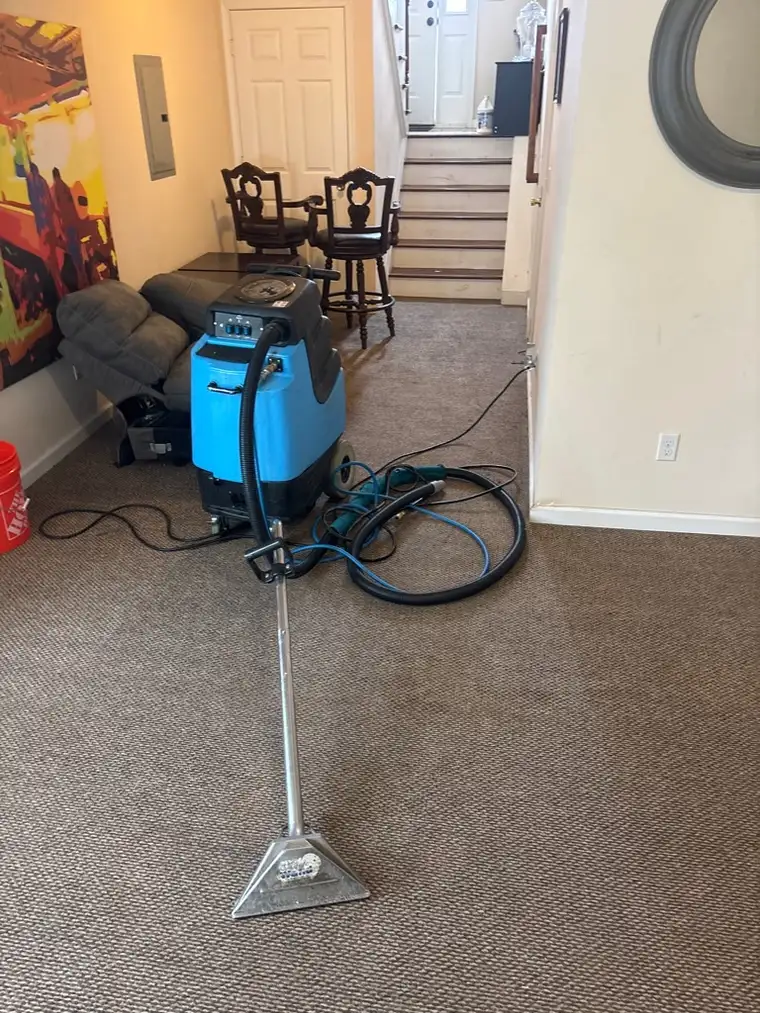
“Steam cleaning” is a slight misnomer that has stuck. The process is hot-water extraction: water is heated, mixed with cleaning solution, injected into the carpet under pressure, and vacuumed straight back out through the same head. It is hot, and there is visible vapour, but the carpet is being flushed rather than steamed.
“Dry cleaning” of carpet is also loose. Nothing is truly dry, every method uses some moisture. What people mean is low-moisture: a compound, a foam or a bonnet pad that lifts soil at and near the surface using a small fraction of the water extraction uses.
Both are real methods. Both have jobs they are right for.
What extraction does that nothing else does
The reason extraction dominates residential carpet cleaning is depth.
Household soil is not evenly distributed through a carpet. It works downward, and the heaviest concentration ends up at the base of the pile where the fibers meet the backing, pushed there by feet and, ironically, by vacuuming. That is the layer responsible for the grey traffic lane down a hallway, and it is below where any surface method can reach.
Extraction reaches it because the solution is driven down to the backing and then pulled back. Two other things follow from that:
It rinses. Whatever cleaning agent goes in comes back out. This matters more than it sounds: detergent residue left in a pile stays sticky and attracts soil, which is the real reason some carpets seem to get dirty faster after a clean. The residue, not the cleaning, is the culprit.
It moves what it releases out of the room. A brush-and-rinse approach lifts soil out of the fiber and then redeposits most of it two feet away. Extraction captures it in a recovery tank.
The trade-off is water. More water in means more drying time, a couple of hours to walkable, the same day to dry, longer in a cold or closed-up room.
What low-moisture is genuinely better at
Not a compromise; a different tool.
Speed of return to service. An office that cannot close, a hotel corridor, a retail floor at 5pm. Low-moisture methods let a space be used almost immediately, which is why commercial maintenance programmes are built on them.
Fabrics and constructions that cannot take water. Some upholstery, some rugs, and anything backed with a material that reacts badly to moisture. Viscose rugs are the clearest case: the fiber loses strength when wet and can mark permanently from plain water.
Interim maintenance between deep cleans. A light low-moisture pass every few months on a busy commercial floor, with extraction periodically underneath it, is a perfectly sound programme.
Its limitation is inherent, not a matter of skill: a method that only reaches the top of the pile only cleans the top of the pile. Used as the sole method for years, soil accumulates at the base and the carpet gradually greys in the traffic areas no matter how often the surface is done.
How to tell which one your carpet needs
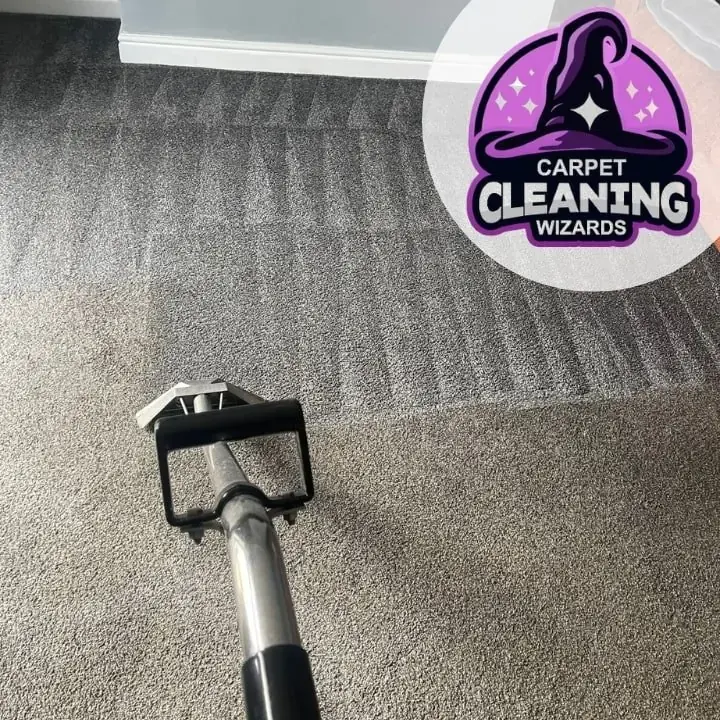
Is there a visible traffic lane? A strip noticeably darker than the carpet either side of it is base-of-pile soil. That is extraction.
Are there pets, or has there been an accident? Contamination that went down into the padding cannot be addressed from the surface at all. Extraction, and sometimes more.
Does it smell? Odor comes from what is at the bottom, not the top. Extraction.
Is it a light refresh on carpet that was properly cleaned recently? Low-moisture is a reasonable choice.
Does the room have to be usable in an hour? Low-moisture, or extraction plus air movers, which is usually the better answer in a house.
Is it wool, viscose, silk-blend, or a rug you are unsure about? Neither question is answered before the fiber is identified. That is a separate conversation and it comes first.
The warranty point, briefly
Most residential carpet manufacturers specify periodic hot-water extraction as a maintenance condition, and some require documentation of it for a claim. If your carpet is new enough to be under warranty, it is worth reading what the maker actually asks for before choosing a method on drying time alone.
What we do, and when we do something else
Hot-water extraction is our default for carpet, because it is the method that matches what residential carpet actually accumulates in a North Jersey house: traffic soil at the base of the pile, pet contamination, and spills that went further in than they look.
We use low-moisture technique on upholstery as standard, because a sofa is four materials at once and foam padding holds water for days. Mattresses, likewise. And on any rug, the fiber decides, a hand-knotted wool piece and a viscose “art silk” rug get very different treatment from each other, never mind from wall-to-wall carpet.
Where a room genuinely cannot be out of service, the honest answer is usually not “switch method” but “extract and bring air movers”, which gets you the cleaning depth and most of the speed.
The short version
Extraction cleans deeper and rinses out what it puts in; low-moisture is faster back into service and safer on things water would damage. For carpet in a house, with pets and traffic lanes and a family walking on it, the depth is what you are paying for.